Table of Contents
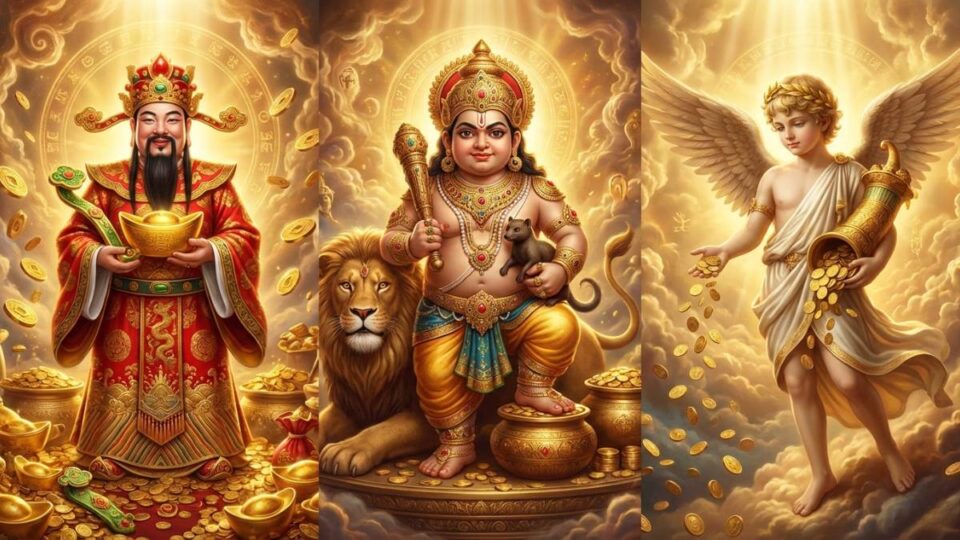
The quest for abundance is a story as old as time. As we step into early 2026, the air is thick with the scent of incense and the vibrant red of the Lunar New Year. But beyond the festive decorations, there is a deeper, universal fascination with the “God of Wealth.” Whether it is a merchant in a bustling Asian market or a player navigating the mystical landscapes of the latest open-world RPG, the desire to connect with the energy of prosperity remains a powerful human driver.
The Timeless Appeal of Abundance
Why are we so captivated by these figures? In many ways, the God of Wealth represents more than just money; they embody the hope for a better life, the reward for hard work, and the mysterious touch of “luck” that bridges the gap between effort and success. Today, this ancient reverence is finding a new home—not just in temples, but in our digital culture and daily rituals.
Caishen: The Iconic Symbol of Fortune
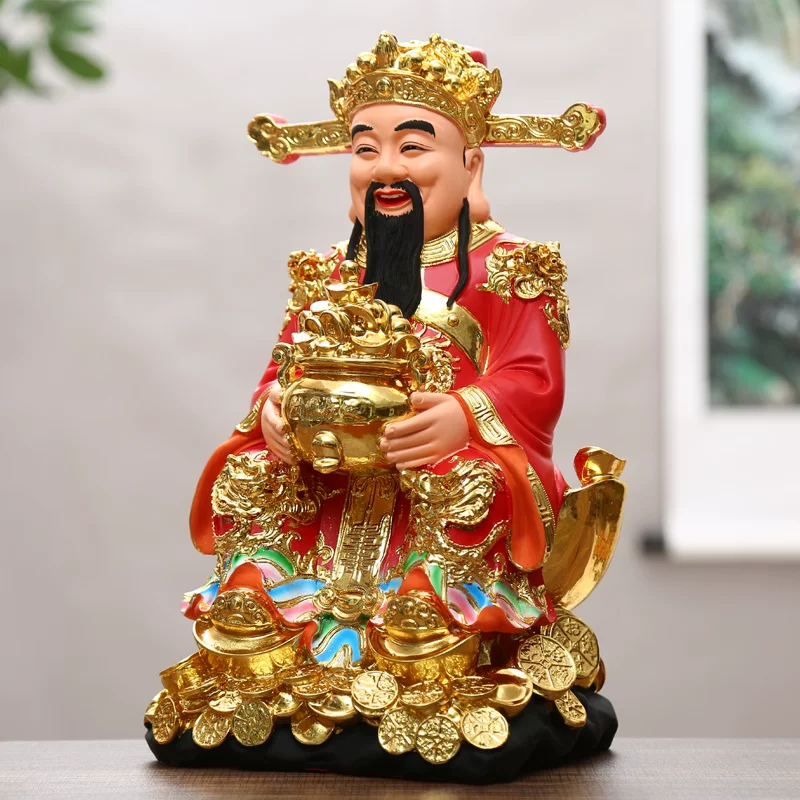
In East Asian culture, Caishen (Tsai Shen Yeh) stands as the most recognizable figure of wealth. Often depicted in magnificent dragon robes, riding a black tiger and holding a golden ingot, he is the central figure of the Lunar New Year celebrations.
Families “welcome” Caishen into their homes with the belief that his presence ensures a year of financial stability and professional growth. His influence is so vast that even in modern financial hubs like Singapore, the Sembawang God of Wealth Temple remains a site of pilgrimage for entrepreneurs seeking a blessing for their ventures.
Kubera: The Lord of Treasures from Vedic Lore
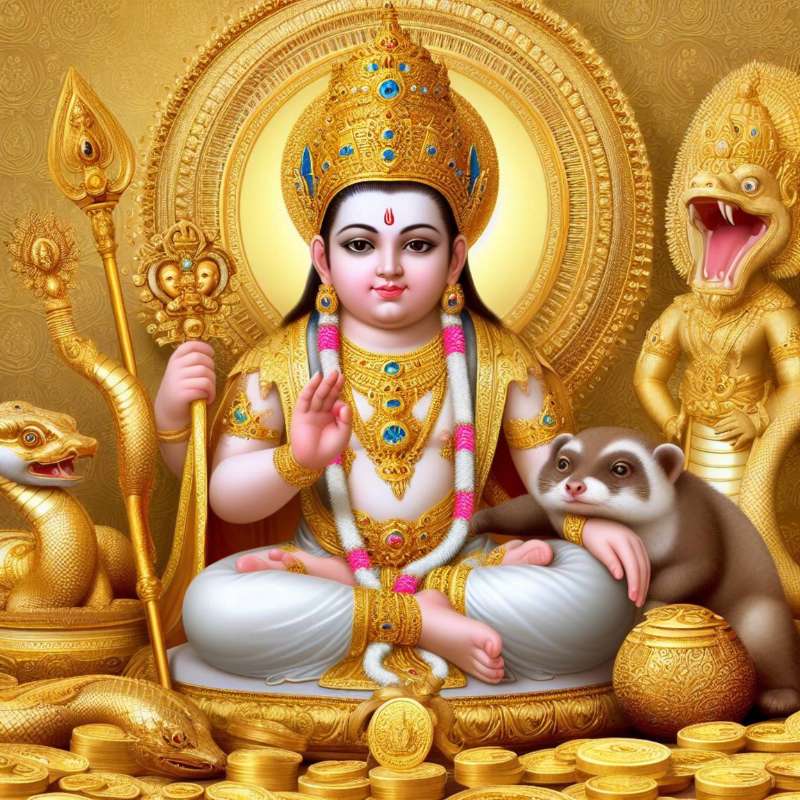
While Caishen dominates East Asian lore, there is a significant surge in interest toward Kubera, the Hindu “Lord of Wealth.” Unlike many deities who represent spiritual richness, Kubera is specifically the guardian of the earth’s treasures—gold, gems, and the riches buried deep within the soil.
Often portrayed as a dignified figure with a vessel of coins or a mongoose that “spits” jewels, Kubera represents a more grounded, material form of wealth. The recent curiosity surrounding his myth suggests a global shift: people are looking back to ancient Vedic wisdom to find balance between material success and ethical living.
From Ancient Temples to Digital Realms: Where Winds Meet
Interestingly, the “God of Wealth” has recently stepped out of mythology and into the world of high-end gaming. In the critically acclaimed game Where Winds Meet, players encounter quests and lore that echo these ancient traditions.
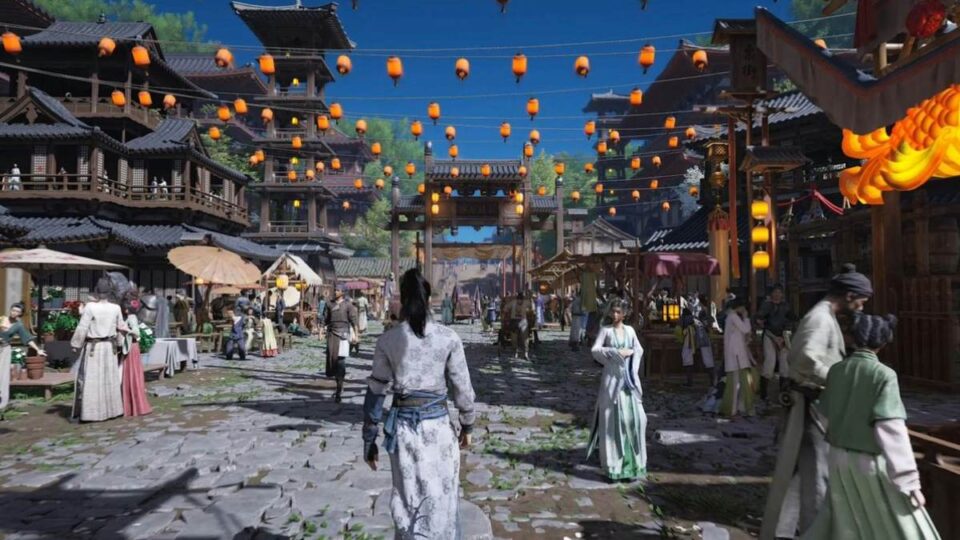
From the “Eternal Flame” challenges to the “Long Road Home” questlines, the game masterfully weaves the concept of the God of Wealth into its narrative. It allows a new generation to interact with these archetypes, proving that whether through a prayer or a joystick, our fascination with fortune is here to stay.
Inviting Prosperity into the Modern Home
You don’t need to build a temple to invite the energy of abundance. Cultural experts and modern practitioners often suggest simple ways to align with the “wealth mindset”:
- Decluttering the “Wealth Corner”: In many traditions, the far left corner of a room or house is associated with prosperity. Keeping it clean and bright is said to allow energy to flow freely.
- The Symbolism of Water: A small fountain or even a bowl of clean water can represent the fluid movement of finances.
- Gratitude Practice: Shifting the focus from what is “lacking” to what is “abundant” is perhaps the most powerful way to honor the spirit of the God of Wealth.
Frequently Asked Questions
Who is the most powerful God of Wealth? It depends on the culture. Caishen is the most prominent in East Asia, while Kubera holds that title in Hindu mythology. In Western antiquity, Plutus and Hermes were the primary figures of wealth and commerce.
What is the significance of the “God of Wealth Day”? Typically observed on the 5th day of the Lunar New Year, it is the day Caishen is said to descend from heaven to inspect the earthly realm. It is the peak time for rituals and “inviting” him into businesses.
How does “Where Winds Meet” connect to these myths? The game incorporates traditional Chinese folk religion and historical settings, where the God of Wealth often appears as a motif in quests, rewarding players for their perseverance and skill—much like the deity rewards hard work in real life.