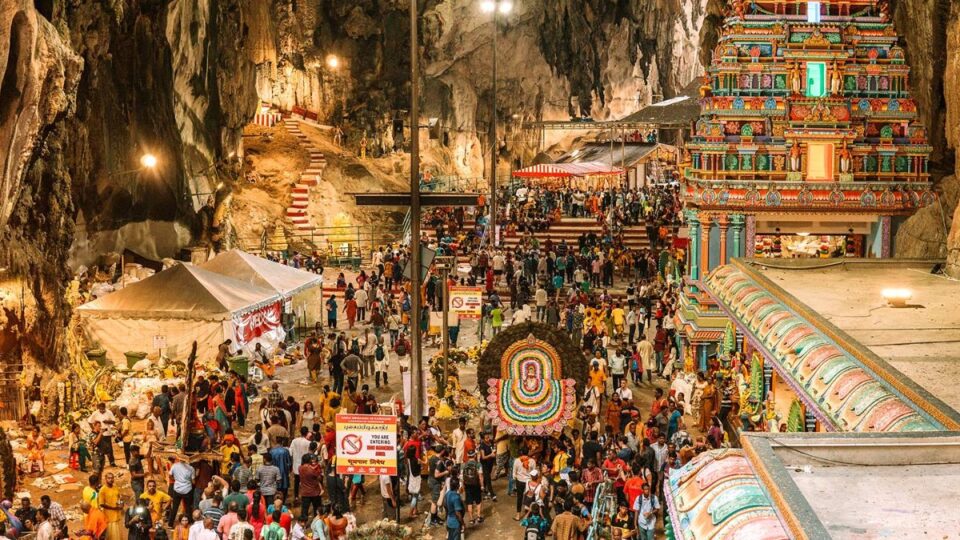
Thaipusam is not just a festival; it is a profound display of faith, endurance, and gratitude. Celebrated primarily by the Tamil community, this Hindu festival attracts millions of devotees and travelers worldwide. If you are planning to witness this spiritual spectacle, 2026 promises to be a landmark year for cultural immersion.
What is Thaipusam and Why is it Celebrated?
At its heart, Thaipusam commemorates the moment Goddess Parvati gave Lord Murugan a “Vel” (divine spear) so he could vanquish the evil demon Surapadman. The name itself is a combination of the month “Thai” and the star “Pusam,” which is at its highest point during the festival. For devotees, it is a time to fulfill vows, seek forgiveness, and celebrate the victory of light over darkness.
If you’re interested in other Hindu celebrations of light, check out our guide on Diwali Festival Lights Explained.
Essential Dates: When is Thaipusam 2026?
Mark your calendars for Sunday, February 1st, 2026. Since the festival falls on a weekend, expect record-breaking crowds at major pilgrimage sites. The spiritual journey often begins days in advance, with chariot processions starting as early as the night of January 31st.
Top Destinations to Witness the Festival
While Thaipusam is celebrated globally, certain locations offer an unparalleled atmosphere for international visitors:
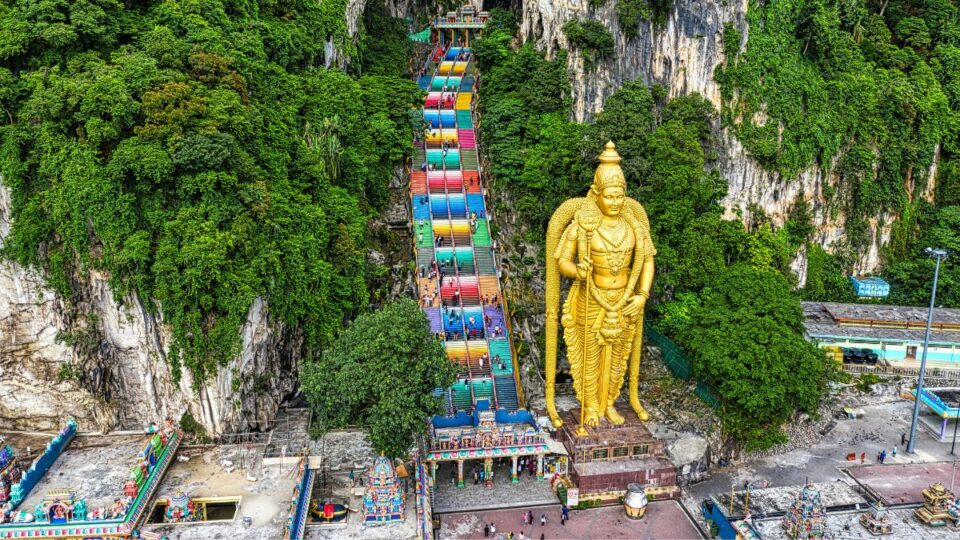
- Batu Caves, Malaysia: The most famous site globally. Watch as hundreds of thousands of pilgrims climb the 272 rainbow-colored steps.
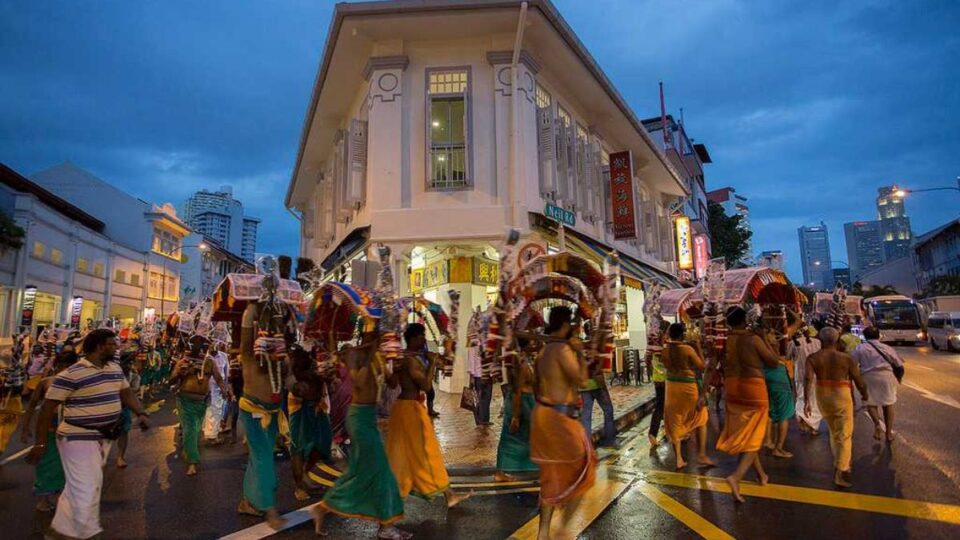
- Little India, Singapore: A highly organized and deeply spiritual 4km procession from Sri Srinivasa Perumal Temple to Sri Thendayuthapani Temple.
- Penang, Malaysia: Known for its unique hilltop temple and a more community-focused atmosphere compared to the bustle of Kuala Lumpur.
Understanding the Rituals of Sacrifice
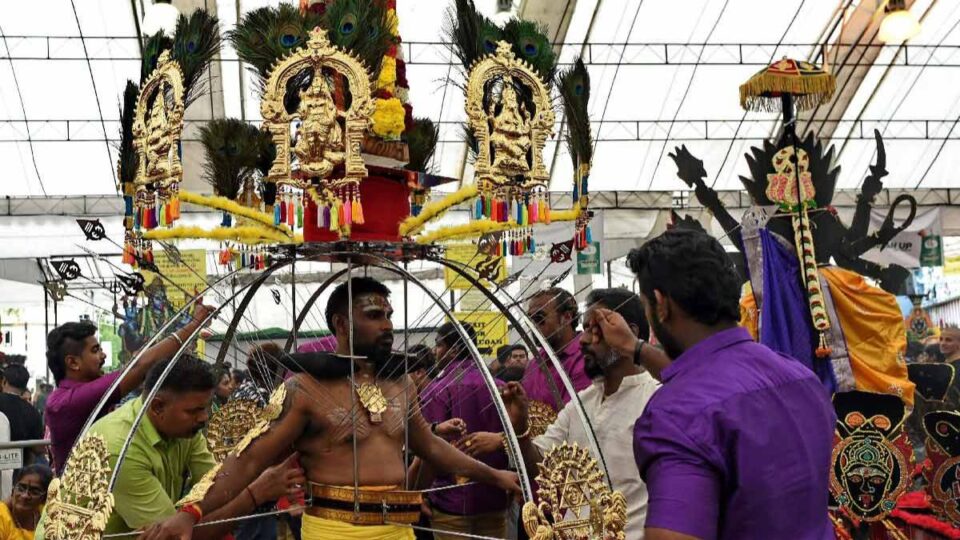
The visual intensity of Thaipusam comes from the “Kavadi Attam” (the dance of burden). Devotees carry various forms of Kavadis as an act of penance:
- Paal Kudam: Carrying pots of milk on the head as a symbol of purity and offering.
- Vel Kavadi: Large, intricate metal frames decorated with peacock feathers and flowers, often attached to the devotee’s body with hooks and skewers.
- Piercings: Many devotees pierce their tongues or cheeks with silver needles (representing the Vel) to maintain silence and focus during their journey.
Travel Tips for International Visitors in 2026
Experiencing Thaipusam as a tourist requires preparation and respect:
- Dress Code: Wear modest clothing. Shoulders and knees should be covered. Bright colors like yellow or orange are encouraged as they are sacred to Lord Murugan.
- Arrival Time: To beat the heat and the heaviest crowds, arrive at the temple sites before sunrise (around 4:00 AM – 5:00 AM).
- Photography: Be respectful. Do not block the path of devotees carrying Kavadis, as they are in a deep trance and cannot stop easily.
- Stay Hydrated: The tropical heat combined with massive crowds can be intense. Carry plenty of water and wear sun protection.
Frequently Asked Questions about Thaipusam
Is it safe for tourists? Yes, the festival is very welcoming to foreigners. However, be mindful of your belongings in large crowds and follow the instructions of local authorities.
Do the piercings hurt the devotees? Most devotees enter a trance-like state through prayer and fasting, claiming they feel no pain and rarely bleed during the piercing process.
Can non-Hindus participate? While the core rituals are for practitioners, everyone is welcome to watch the procession, enjoy the vegetarian food stalls, and soak in the incredible energy of the day.
By planning ahead for Thaipusam 2026, you are setting yourself up for one of the most visually stunning and spiritually moving experiences in Southeast Asia.