If there is one architectural element that can instantly transform a chaotic room into a sanctuary of peace, it is the Japanese sliding door. More than just a functional room divider, these doors—known as Shoji and Fusuma—are the culmination of centuries of history, exquisite craftsmanship, and a deep-rooted philosophy of living in harmony with nature.
In today’s world of rigid concrete and heavy walls, the introduction of translucent paper and natural timber is sparking a “quiet revolution” in global interior design.
The Soul of the Screen: Living Within the “Ma”
In Western architecture, a door is often a solid barrier. In Japan, however, space is governed by the concept of “Ma”—the pure beauty of the void. Sliding doors act as fluid boundaries rather than hard stops.
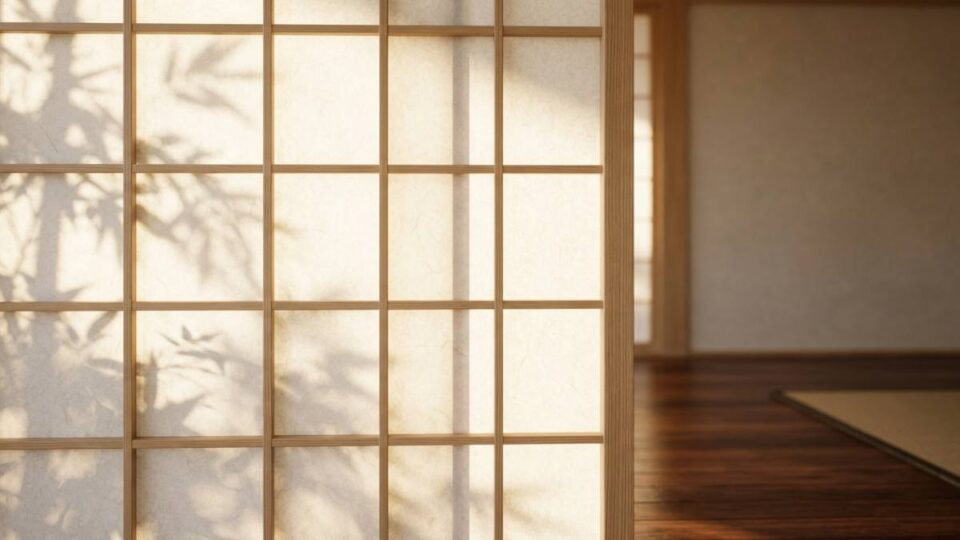
When you close a paper door, you aren’t trapped in a box. Instead, you remain connected to the world outside. You can see the dancing shadows of bamboo leaves against the paper or hear the rhythmic patter of rain on the porch. It is a masterful balance between privacy and freedom, allowing the home to “breathe” alongside its inhabitants.
Shoji and Fusuma: Decoding the Duo
While often grouped together as “paper doors,” Shoji and Fusuma serve distinct purposes and offer different aesthetic vibes for your home.
Shoji: The Translucent Light-Bringer
Shoji consists of a delicate wooden lattice (the Kumiko) backed by translucent white paper (the Washi). Its primary superpower is light. These screens are traditionally used as windows or partitions where you want to maintain a sense of openness and capture the movement of the sun throughout the day.
Fusuma: The Decorative Art Canvas
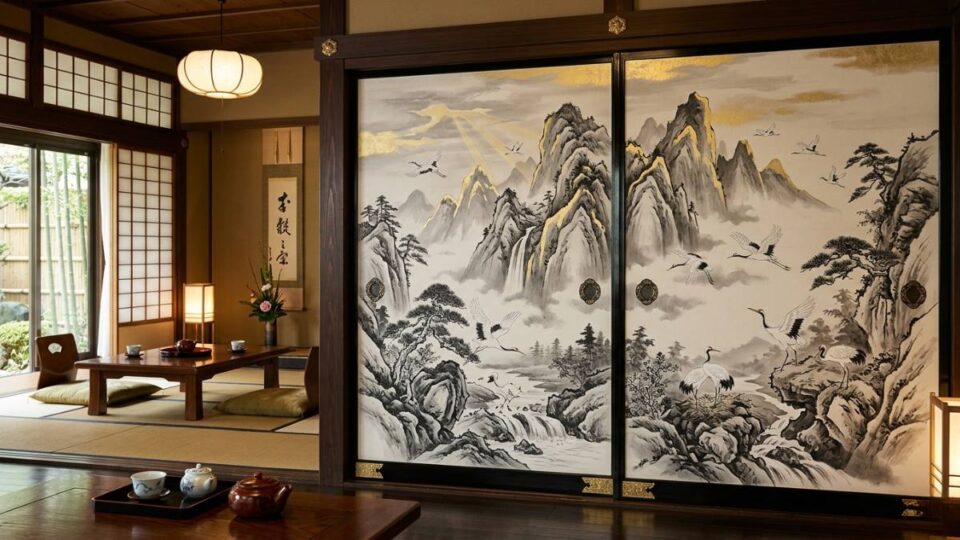
Unlike Shoji, Fusuma doors are opaque. They are constructed from multiple layers of thick paper or fabric stretched over a wooden frame. Because they don’t need to let light through, they often serve as “movable walls” or closet doors. Historically, Fusuma became a canvas for stunning landscape paintings or calligraphy, adding a layer of sophisticated drama to the room.
The Anatomy of Craft: Wood, Paper, and Human Touch
The allure of these doors lies in their deceptive simplicity. Every element is a testament to the “Takumi” (artisan) spirit:
- The Kumiko Frame: The intricate wooden grids are often assembled using complex joinery without a single nail or screw. This precision allows the wood to expand and contract with the seasons, ensuring the door remains perfectly aligned for decades.
- The Washi Paper: Hand-crafted from the fibers of the mulberry tree, Washi is surprisingly resilient. It acts as a natural air filter and humidity regulator, making the indoor environment feel fresher and more “organic” than synthetic materials.
Why Modern Designers Are Obsessed with Japanese Doors
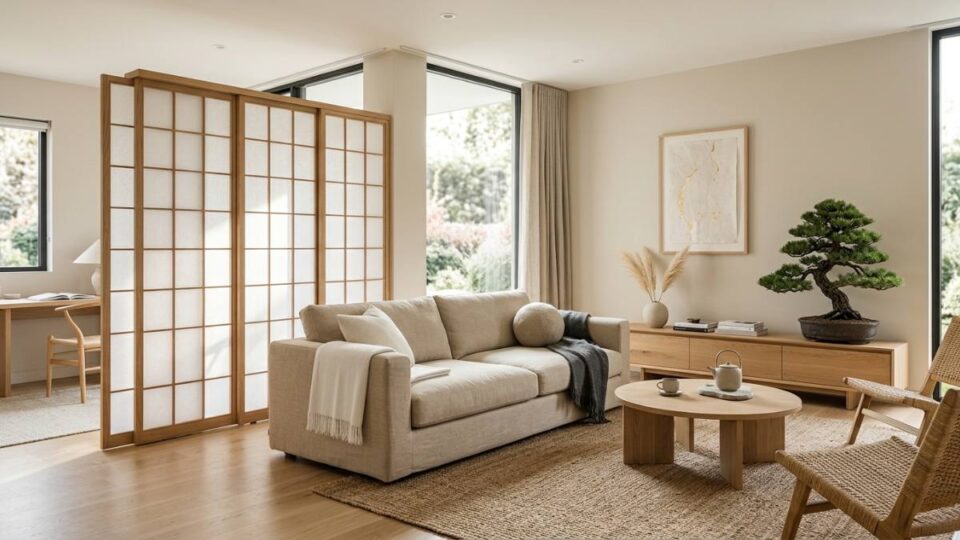
In the rise of the Japandi trend—the marriage of Japanese minimalism and Scandi functionality—sliding doors have become the ultimate “hero” piece.
- Spatial Intelligence: In tiny New York apartments or sleek London flats, sliding doors save precious square footage that a swinging door would otherwise waste.
- Psychological Wellness: The soft, filtered light of a Shoji screen has been shown to reduce stress levels, mimicking the effect of being under a forest canopy.
- Timeless Neutrality: The combination of pale wood and white paper creates a neutral palette that complements everything from mid-century modern furniture to high-tech industrial lofts.
Living with Paper Walls: Practical Wisdom
If you’re considering bringing this Zen aesthetic into your own home, here are a few tips from those who have mastered the lifestyle:
- The Durability Myth: Modern Shoji paper is often reinforced with a thin acrylic layer. This makes it puncture-resistant and easy to wipe down—perfect if you have curious pets or children.
- The “Shoji White” Glow: Designers often specify a specific shade of warm, off-white for the paper to avoid a clinical look. It mimics the color of natural silk under candlelight.
- The Ritual of Renewal: In Japan, re-papering the screens is a meditative New Year’s ritual. It’s an opportunity to shed the dust of the past year and welcome the new one with a crisp, bright home.
Japanese sliding doors are more than a design choice; they are an invitation to slow down. They teach us that boundaries don’t have to be hard, that light is a material in itself, and that sometimes, the most beautiful thing in a room is the shadow of a tree swaying outside your window.
Frequently Asked Questions
Are paper doors soundproof?
Due to their lightweight nature, Shoji and Fusuma are not soundproof. They provide “visual privacy” and psychological separation rather than acoustic isolation. They are best used for creating zones in a quiet home.
How do I clean them?
For traditional Washi, a soft feather duster or a light vacuum attachment is best. If you have the modern acrylic-laminated version, a damp (not soaking) microfiber cloth can be used to remove light smudges.
Can they handle humid climates?
Washi paper actually “breathes,” which can help manage indoor humidity. However, ensure the wooden frames are treated with a high-quality sealant to prevent warping in extremely tropical or damp environments.