
As the crisp air of autumn settles in, vibrant paper lanterns illuminate streets, and families gather under the glow of the full moon. The Mid-Autumn Festival—also known as the Moon Festival or Harvest Moon Festival—is one of the most cherished and picturesque celebrations in Asian culture.
Whether you are looking to understand the cultural significance behind this ancient holiday, learn about traditional mooncakes, or host your own celebration, this complete guide covers everything you need to know.
What is the Mid-Autumn Festival?
The Mid-Autumn Festival is a traditional harvest celebration deeply rooted in family reunions, gratitude, and moon worship. Celebrated for over 3,000 years, it centers on the belief that the full moon represents completeness, peace, and togetherness.
Understanding the Lunar Date
Unlike fixed holidays on the Gregorian calendar, the Mid-Autumn Festival takes place on the 15th day of the 8th month of the lunar calendar. This date coincides with the autumn season, when the moon is believed to be at its brightest and fullest.
If you are tracking how seasonal transitions align with traditional calendars, you can explore when autumn starts in 2026 to see how the solar and lunar timelines intersect. The observance is also tied to ancient agricultural rhythms, which you can learn more about in our 24 solar terms 2026 guide.
Historical Origins and Folklore
The origins of the festival blend ancient agricultural practices with captivating mythologies passed down through generations.
The Legend of Chang’e and Hou Yi
The most famous story associated with the festival tells of Hou Yi, a legendary archer who saved the earth by shooting down nine excess suns. As a reward, he received an elixir of immortality. To prevent a thief from stealing it, his devoted wife, Chang’e, drank the elixir herself. She floated upward to the heavens, choosing the moon as her home so she could remain close to her husband. Deeply heartbroken, Hou Yi began placing her favorite fruits and cakes under the moonlight, initiating the tradition of moon worship.
The Jade Rabbit on the Moon
Alongside Chang’e, folklore speaks of a selfless rabbit living on the moon. According to legend, three deities disguised themselves as beggars to test the charity of animals. While other animals offered food, the rabbit offered itself. Impressed by this supreme act of sacrifice, the deities lifted the rabbit to the moon to accompany Chang’e, where it pounds herbs in a mortar to create the elixir of life.
Essential Mid-Autumn Festival Traditions
While regional customs vary, several core traditions unite celebrations around the world.
Enjoying Traditional Mooncakes
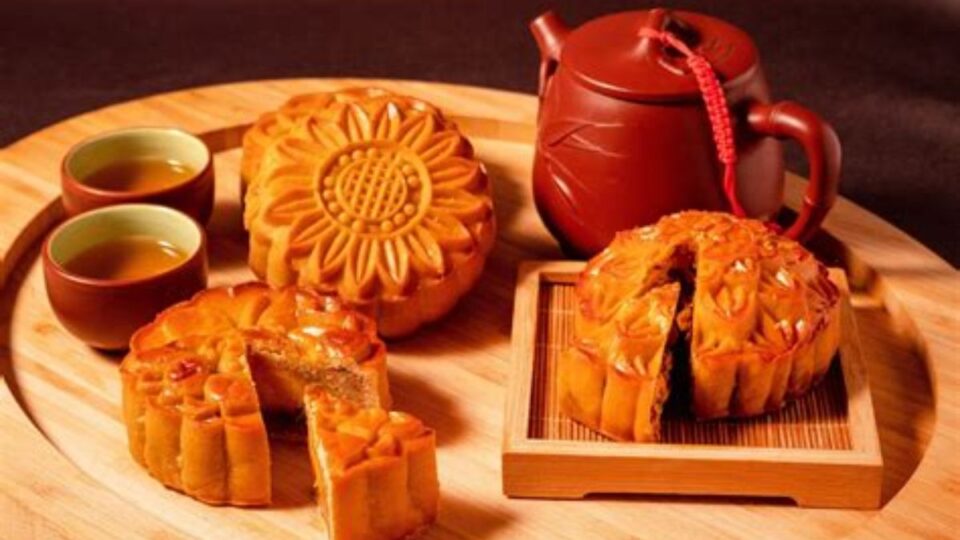
No Mid-Autumn celebration is complete without mooncakes. These rich, dense pastries are shaped like the full moon to symbolize harmony and unity.
- Traditional Flavors: Rich lotus seed paste or red bean paste wrapped around a rich salted duck egg yolk, balancing sweet and savory flavors.
- Modern Varieties: Contemporary options feature lighter textures, such as chilled “snowskin” mooncakes filled with green tea, durian, chocolate, or fruit jellies.
Lighting and Parading Lanterns
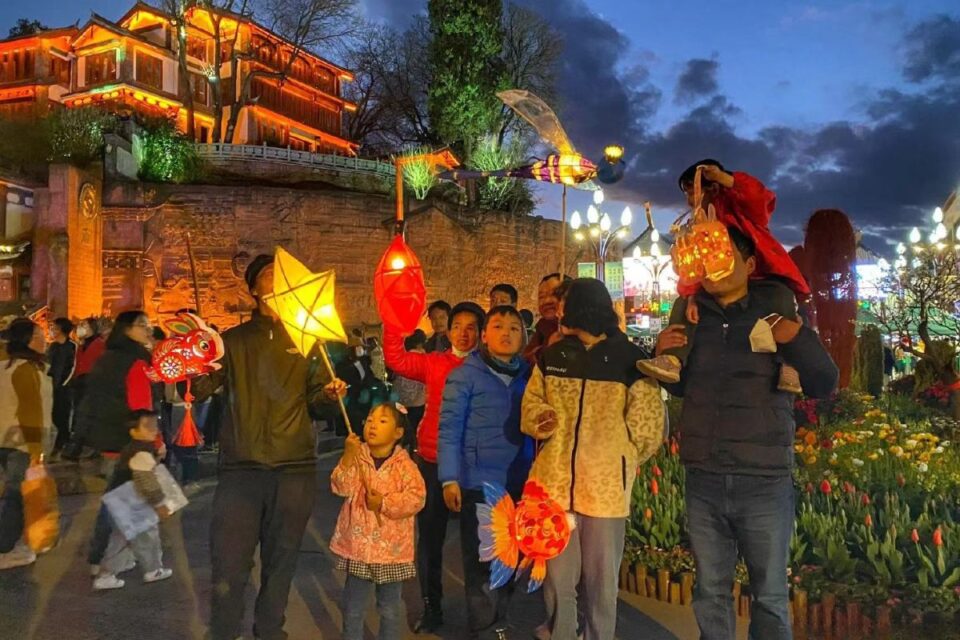
Brightly colored lanterns are essential elements of the festivities. Children and families carry lit paper lanterns through neighborhood streets, while major cities host elaborate light installations featuring glowing dragons, mythic creatures, and lotus flowers.
Moon Gazing and Family Reunions
Families gather outdoors after dark to admire the full moon, share outdoor meals, and sip fragrant osmanthus tea or wine. It is a time for reflection, expressing gratitude for the year’s blessings, and wishing for prosperity.
Regional Variations Across Asia
While the core themes remain consistent, different cultures celebrate the festival with their own unique flair:
- China & Hong Kong: Grand lantern displays dominate city parks, accompanied by dramatic fire dragon dances in neighborhoods like Tai Hang.
- Vietnam (Tết Trung Thu): The holiday carries a strong emphasis on children. Young ones parade with colorful star lanterns while enjoying energetic lion dance performances.
- Singapore: Major landmarks like Chinatown and Gardens by the Bay host large-scale lantern exhibitions, night markets, and cultural performances.
- Korea (Chuseok) & Japan (Tsukimi): Neighboring countries celebrate their own distinct harvest rituals around the same full moon, focusing on honoring ancestors and offering rice cakes.
How to Celebrate anywhere in the World
You do not need to be in East Asia to experience the warmth of the Mid-Autumn Festival. Here are simple ways to join the celebration:
- Source Authentic Mooncakes: Visit a local Asian bakery or specialty market to try traditional paste or snowskin varieties.
- Make DIY Paper Lanterns: Craft simple paper or bamboo lanterns with family members to decorate your garden or balcony.
- Host a Moonlit Tea Gathering: Set up an outdoor table under the full moon with hot tea, sliced mooncakes, and seasonal fruits like pomelos and grapes.
Frequently Asked Questions
When is the Mid-Autumn Festival celebrated?
It is celebrated annually on the 15th day of the 8th month of the lunar calendar, which typically falls between mid-September and early October on the Gregorian calendar.
Why do people eat mooncakes during the festival?
Mooncakes are round, mimicking the shape of the full moon. In Chinese culture, roundness represents completeness, reunion, and family togetherness.
Is the Mid-Autumn Festival the same as the Lantern Festival?
No. While both feature glowing lanterns, the Lantern Festival occurs on the 15th day of the first lunar month (marking the end of the Lunar New Year celebrations), whereas the Mid-Autumn Festival takes place in the 8th lunar month to celebrate the harvest moon.